 Request an Interpreter
Supporting Strength, Independence, and Full Participation in School Life
Occupational Therapy
At Mill Neck Manor School for the Deaf, our Occupational Therapy (OT) is designed to help students thrive — academically, socially, and physically.
Our therapists work collaboratively with teachers, families, and the IEP team to ensure students who are Deaf or Hard-of-Hearing receive accessible, bilingual (ASL/English) therapy services that support independence, confidence, and meaningful participation in school life.
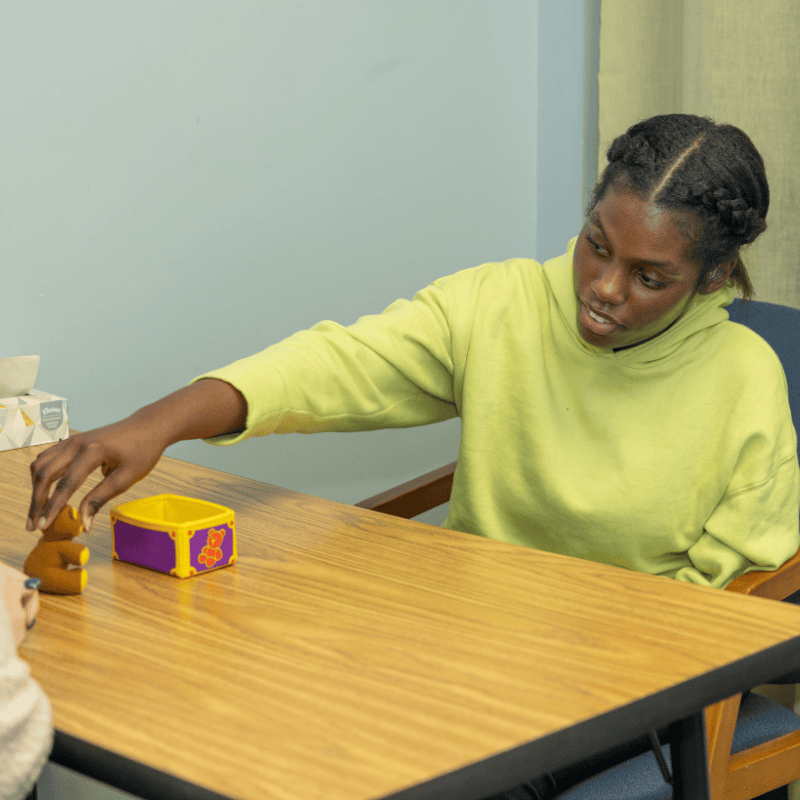
Occupational and Physical Therapy for Deaf and Hard-of-Hearing individuals focus on enhancing functional independence, sensory integration, and communication accessibility.
What Is School-Based OT?
Occupational Therapy (OT)
School-based occupational therapy supports students in fully participating in their educational experience — both in and beyond the classroom.
Occupational therapists focus on helping students develop the skills needed for:
-
Academics
-
Play and leisure
-
Social participation
-
Self-care (Activities of Daily Living)
-
Transition and work-readiness skills
OT addresses physical, sensory, cognitive, and emotional challenges that may impact a student’s ability to learn, engage, and navigate the school environment independently.
Building Skills. Removing Barriers. Encouraging Independence.
Areas of Support
From fine motor development and sensory integration to adaptive tools and classroom modifications, our OT services are designed to help students fully participate in school life. Each plan is individualized, collaborative, and focused on empowering students who are Deaf or Hard-of-Hearing to thrive academically and socially.
Assessment of Student Needs
OTs assess students’ abilities and challenges in areas like motor skills, sensory processing, attention, and coordination. They observe how students engage in activities like writing, using classroom tools, and moving around the school environment.
Developing Individualized Plans
Based on the assessment, OTs create individualized education plans (IEPs) or 504 plans for students with special needs. These plans outline specific goals and interventions to help the student function more effectively in the classroom.
Supporting Fine Motor Skills
Occupational therapists help students develop fine motor skills such as holding a pencil, cutting with scissors, or using a keyboard. These skills are essential for academic tasks like writing and drawing.
Sensory Integration
Many students, especially those with sensory processing disorders, might struggle to handle sensory input (like loud noises, bright lights, or tactile sensations). OTs develop strategies to help students regulate and respond to sensory stimuli in a school environment.
Adaptive Equipment and Modifications
OTs may recommend adaptive tools or modifications to help students access learning. This might include things like special seating, pencil grips, or modified workspaces to improve comfort and productivity.
Environmental Modifications
Occupational therapists also collaborate with teachers and staff to adjust the classroom layout or routines. For example, they may help make the classroom more accessible to students with physical disabilities or recommend strategies to reduce distractions for students with ADHD.
Collaboration with Educators and Parents
OTs work with teachers, special education staff, and parents to ensure that interventions are effective and integrated into the school day. They provide guidance to teachers on how to support students’ needs in the classroom.
Promoting Independence
One of the primary goals of an OT is to help students gain independence in their learning and self-care tasks. Whether it’s managing personal care, using tools for writing, or navigating the school building, OTs work to foster skills that support students’ autonomy.
Intervention Strategies
Intervention strategies are individualized to meet the specific needs of the student, and therapists often collaborate with teachers, parents, and other professionals to ensure a holistic approach to support the child’s development.

Sensory Integration Strategies
Sensory Breaks
Providing short, structured breaks throughout the day to help students regulate their sensory systems. This may include activities like using a fidget toy, jumping on a trampoline, or squeezing a stress ball.
Seating Modifications
Allowing students to sit on therapy balls or use weighted lap pads to help with attention and focus.
Noise-canceling Headphones
For students who are sensitive to auditory distractions, providing headphones can help minimize distractions and improve concentration.
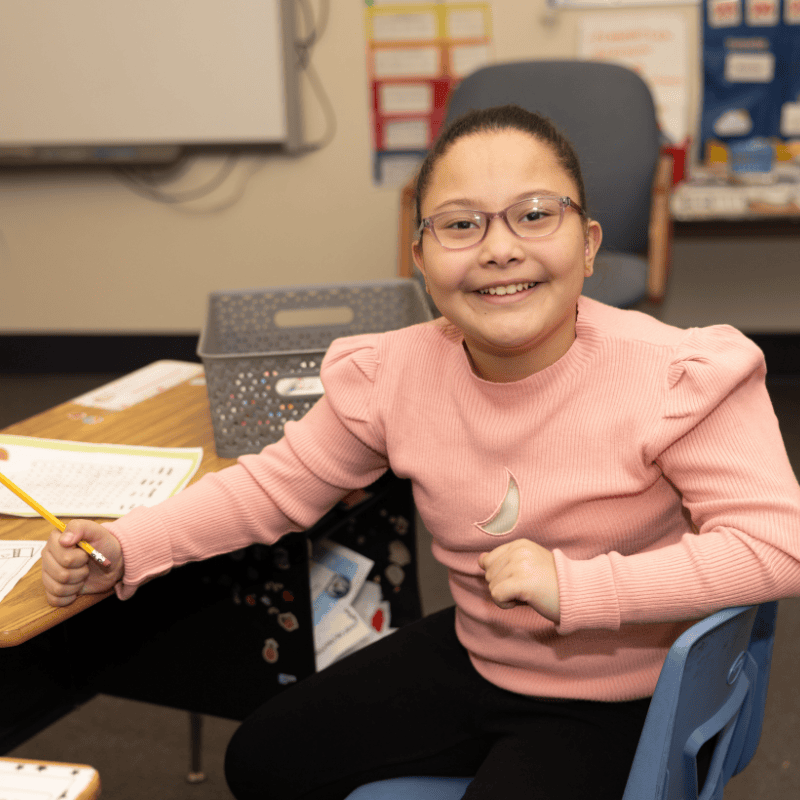
FINE MOTOR SKILL DEVELOPMENT
Handwriting Support
Using specialized paper (e.g., raised-line paper), adaptive writing tools, or assistive technology to help students improve their handwriting skills.
Strengthening Exercises
Engaging students in activities like playdough squeezing, beading, or cutting to improve hand strength and dexterity.
Adaptive Tools
Providing pencil grips, specialized scissors, or other adaptive equipment to aid with fine motor tasks.
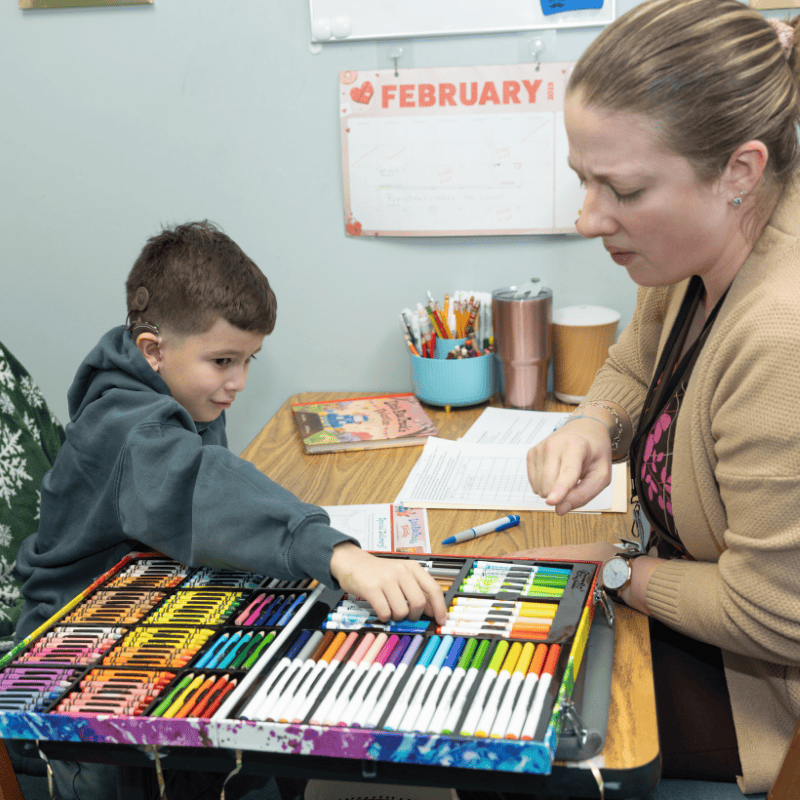
VISUAL-MOTOR INTEGRATION
Tracing Activities
Using activities like tracing shapes or letters to strengthen the connection between hand-eye coordination and motor planning.
Drawing and Art Projects
Incorporating drawing or painting activities that encourage the use of both fine and gross motor skills.
Eye-Hand Coordination Games
Using activities such as ball tossing, video games designed for coordination, or puzzles to improve hand-eye coordination.

GROSS MOTOR SKILL DEVELOPMENT
Movement Breaks
Short physical activities to help children regulate their bodies and reduce restlessness. This could include stretching, jumping, or running in place.
Balance and Coordination Exercises
Activities like walking along a balance beam or jumping through hula hoops help with overall body coordination.
SELF-REGULATION AND BEHAVIORAL STRATEGIES

Visual Schedules
Using visual supports like picture schedules or task charts to help students understand routines and expectations.
Calming Techniques
Teaching students deep breathing exercises, mindfulness practices, or progressive muscle relaxation to help with anxiety and emotional regulation.
EXECUTIVE FUNCTIONING STRATEGIES
Time Management Aids
Providing visual timers, checklists, and alarms to help students manage their time and break down tasks into smaller, manageable steps.
Task Organization
Supporting students in organizing materials, keeping track of assignments, and planning steps for completing projects or homework.
Memory Aids
Using strategies like color-coding or using mnemonic devices to help students remember important information.
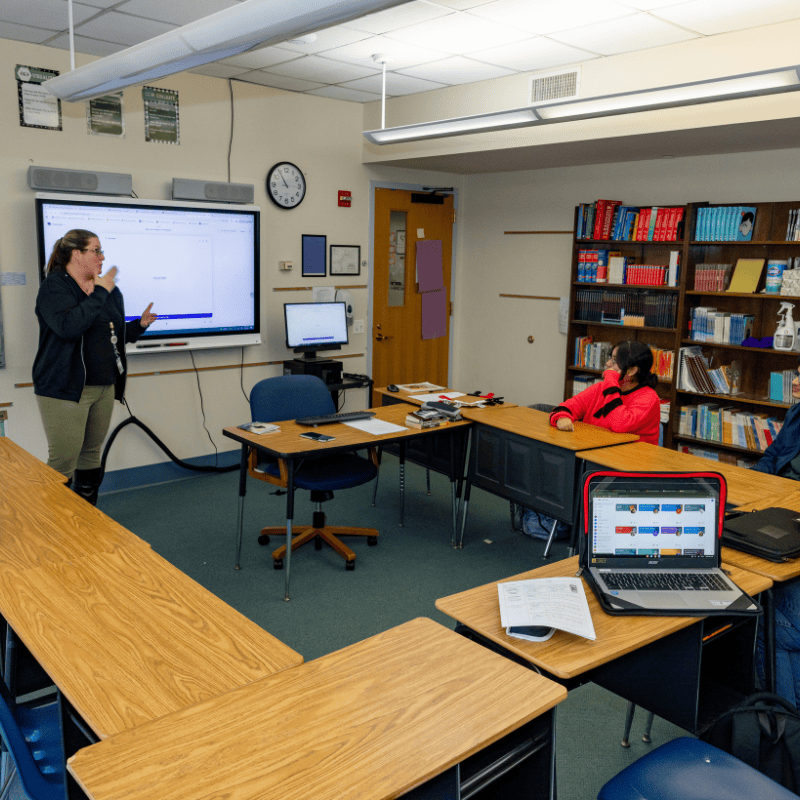
Adaptive Strategies for Classroom Participation
Seating Arrangement
Positioning students in a way that maximizes focus and reduces distractions, such as sitting close to the teacher or away from windows.
Alternative Workspaces
Offering quiet or alternative workspaces for students who need a less stimulating environment to focus.

ASSISTIVE TECHNOLOGY
Electronic Organization Tools
Using apps or digital planners to help students stay organized, manage assignments, and track their goals.

Accessible, Bilingual Therapy in Action
ASL & English in Every Session
At Mill Neck Manor School for the Deaf, therapy is delivered through an American Sign Language (ASL) and English bilingual approach that respects each student’s language access and identity. Integrating ASL into OT and PT sessions enhances comprehension, increases engagement, and supports physical, cognitive, and social development — ensuring students can fully participate and thrive.
Total Communication with ASL
For students who are more fluent in ASL than spokenor written English, using ASL with spoken English ensures that they understand instructions and can express their needs or concerns. This approach supports language development in both ASL and English, helping students become proficient in both languages.
Visual Supports
Visual cues, such as written words or images, are often used in tandem with ASL to reinforce concepts. This helps bridge communication gaps and supports students in understanding the tasks being addressed in therapy.